What Is Signs of Safety – and Why Was It Created?
Signs of Safety was born out of both frustration and hope.
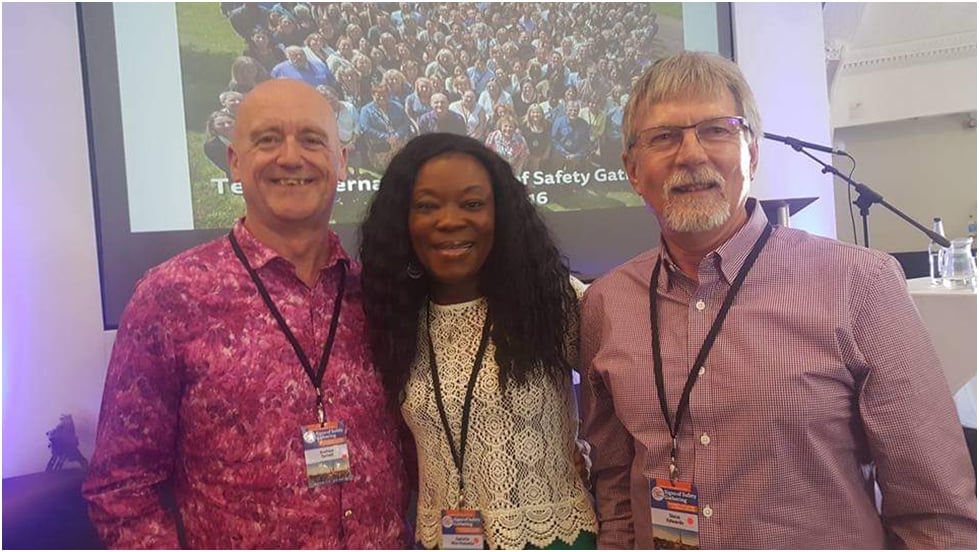
In the 1990s, Andrew Turnell and Steve Edwards, working as social workers in Australia, witnessed how many families were losing trust in social services. Conversations between professionals and families were too often shaped by power and control rather than collaboration and understanding.
At the same time, they recognised something even deeper: how racism, discrimination and historical traumacontinued to shape child welfare systems.
Australia’s Stolen Generations — Indigenous children forcibly removed from their families — became a painful reminder of what happens when systems fail to understand culture, belonging and dignity.
Signs of Safety emerged from a simple but powerful belief:
No family should lose their children because of misunderstanding, mistrust or cultural ignorance.
The model was created to give social workers and families a shared language, one that holds both concerns and strengths, risk and hope, protection and participation.
Today, Signs of Safety is used in over 30 countries worldwide — including Canada, Iceland, Japan, Sweden, the United Kingdom, the Netherlands and the United States — and has become one of the most widely adopted practice frameworks in child and family social work.
For us at BelongAlways, Signs of Safety is not just about improving systems.It is about making social work deeply human.
We know that children, regardless of background, share the same fundamental needs:
to feel safe, heard and loved.And we know that parents, across all cultures, want the best for their children — even when they need support to find the way forward.
Through Signs of Safety, we work to create a living balance between:
protection and belongingprofessional responsibility and human connection
Because real change does not happen when people feel judged or controlled —
it happens when they feel understood, respected and involved.
“It is not about assigning blame.
It is about building a path forward together — where the child can grow up safely, within their family, their community and their culture.”