About Us

A Trust-Based Partnership

Everything we do is grounded in the best interests of the child and a deep ethical commitment.
We work alongside you as a long-term partner, honouring the complexity of your work, the importance of relationships and the realities of change in children’s lives, families and organisations.

Holistic, Integrated Support

We provide customised consultation and reflective supervision, bringing together lived practice, evidence-informed knowledge and cultural understanding.
Our support spans from complex individual cases to long-term organisational and system-level development.

Personal and Solution-Focused

We approach every assignment with professional sensitivity, creativity and strategic problem-solving.
Our methodology is grounded in collaboration, reflective practice and practical tools that create real impact in everyday work.

Experienced, Trusted and Well-Connected

Our team brings deep experience across social work, child protection and organisational change.
We work in close collaboration with a wide network of trusted, skilled professionals and partner organisations.

Ophelia Mac-Kwashie
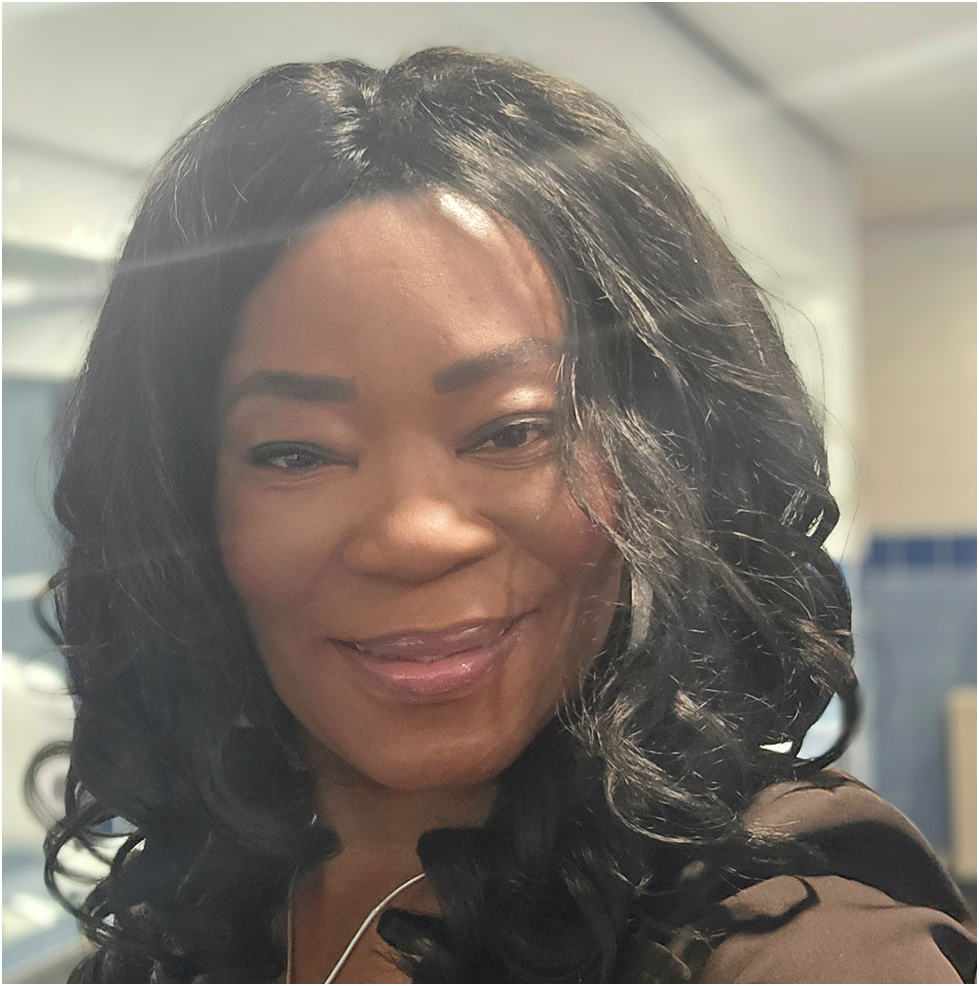
Chair of Elia – Home of Signs of Safety. International Trainer, Advisor and Child Protection Consultant. With nearly 30 years of experience in social work, Ophelia is among the most experienced licensed Signs of Safety trainers worldwide. She has led large-scale implementations of Signs of Safety, including within Canada’s largest child welfare organisation (with over 800 employees), and currently leads the national implementation effort in Iceland. Ophelia is widely recognised for her ability to integrate research, frontline practice and cultural understanding in highly complex child protection contexts. She brings clarity, depth and courage to situations where risk, responsibility and human dignity must be balanced. A trusted mentor to professionals across the world — and herself having received extensive guidance from Andrew Turnell, co-founder of Signs of Safety — Ophelia stands for safety, professional courage and real, sustainable change.

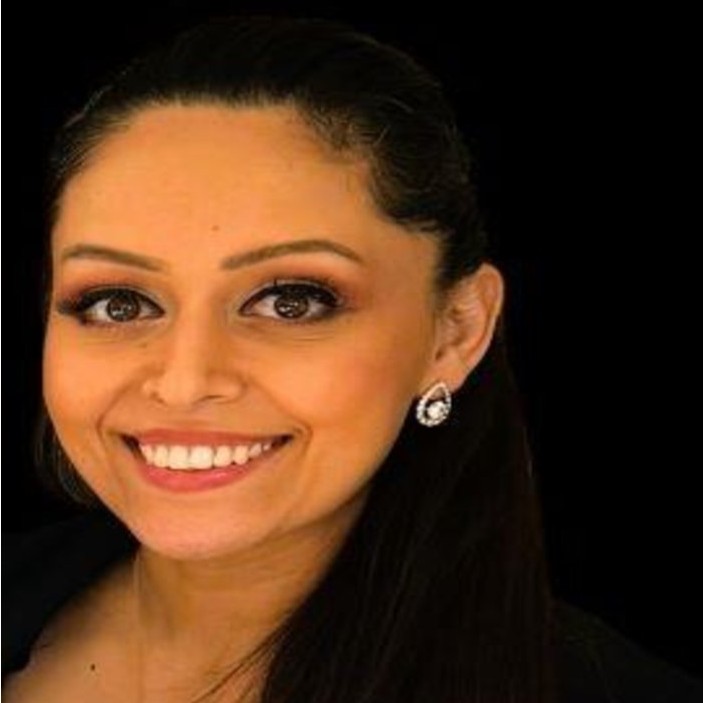
Shilan Khadiri

Family Therapist, Supervisor and Bridge Builder between Families, Cultures and Systems

With over 15 years of experience in social services, Shilan brings deep expertise in safety planning, honour-related violence and oppression, and working with families who have limited trust in authorities.
She is widely recognised for her courage, warmth and cultural sensitivity, and for her unique ability to build trust in situations where relationships have previously broken down. Shilan combines extensive experience in family treatmentwith supervision and training of social workers, always ensuring that the child’s voice remains central.
Her work bridges practice, reflection and learning — supporting professionals and families alike in creating safety, dignity and sustainable change.
Our Core Values

Understanding

No one can understand our concerns until they themselves are understood.
Families and children need to feel genuinely understood before we can ask them to understand ours. Approaching them with honesty, clarity, and without hidden agendas allows us to build trust. The journey from the terror zone to the brave zone begins with our willingness to truly understand the child and family. References: Article 3 of the Convention on the Rights of the Child (best interests of the child); SoL portal, paragraph on respect for self-determination and integrity.

Belonging

We are all born into a context – our identity is shaped by the relationships and communities we belong to.
Without belonging, children and young people risk exclusion and vulnerability. Strengthening a child’s ties to family, networks, and culture is a protective factor against future risks. References: Article 8 (right to identity) and Article 20 (right to a safe environment) of the Convention on the Rights of the Child.

Curiosity

We meet resistance with a non-knowing attitude that opens the door to collaboration and change.
Taking a non-knowing position creates space for real dialogue, especially in situations where there is resistance. By asking genuine, open questions—“I want to know and understand”—we build sustainable collaboration that supports lasting change in safety, success, and well-being. References: Article 12 of the Convention on the Rights of the Child (child’s right to express views).

Respect

We treat every person with dignity and see the strength in the midst of difficulties.
Respect means listening to children, parents, and networks, recognizing their strengths even when concerns must be clearly addressed. A respectful approach lays the foundation for cooperation and enables sustainable solutions. References: Article 2 (non-discrimination) and Article 16 (protection of private and family life) of the Convention on the Rights of the Child.

Safety is Never Negotiable

Children’s safety always comes first. Period.
Children’s physical and psychological safety is a legal right and must guide all decisions. Risk assessments should be based on facts, research, and documented knowledge—not subjective interpretations. This ensures legally secure and equitable decisions. References: Article 2 of the Convention on the Rights of the Child.

Helicopter Perspective

We look up to see the big picture and create direction in complex decisions. References: BBIC’s principles of holistic view and collaboration.
Seeing the broader context is essential for managers and caseworkers alike. A helicopter perspective helps identify patterns, resources, and risks, creating continuity from reception to closure in the archive.

Humor

Humor builds bridges and humanizes even the most difficult conversations.
Humor is more than laughter—it fosters connection, trust, and reduces the distance between social services and families. Meeting people with warmth and a twinkle in the eye opens doors to cooperation. References: Research on relationship-building; Article 31 of the Convention on the Rights of the Child (right to play and joy).